When a loved one begins experiencing memory loss due to Alzheimer’s or another form of dementia, daily routines often become more challenging—for both them and their family. Safety, nutrition, medication, and emotional connection all require greater care. That’s where memory care becomes a helpful resource and a path toward greater peace of mind.
At Arbors Memory Care in Sparks, Nevada, we’ve seen how specialized memory care can enhance comfort, support independence, and improve the overall quality of life for those living with cognitive decline.
When Is Memory Care Necessary?
Families often ask, “How do I know when it’s time?”
According to Healthline and Harvard Health, memory care becomes essential when safety, health, or daily functioning becomes compromised.
Here are a few common signs:
- Wandering or becoming lost
- Increased confusion or agitation
- Difficulty managing medications or meals
- Incontinence or fall risk
- Caregiver burnout or emotional distress
- Isolation or withdrawal from social engagement
Early planning allows for smoother transitions and more consistent support.
Top Benefits of Memory Care
1. Safety and Peace of Mind
Memory care communities have built-in safety features like secure entrances, monitored spaces, and staff trained to recognize signs of distress, confusion, or wandering. For families, this means round-the-clock reassurance that their loved one is in a protected, structured environment.
2. Personalized, Dementia-Specific Care
Unlike traditional senior care, memory care provides individualized care plans that adjust to your loved one’s evolving needs. Whether someone is in early-stage memory loss or more advanced cognitive decline, care teams create routines that feel familiar and comfortable.
These plans support dignity, routine, and autonomy—without overwhelming the resident.
3. Access to Skilled, Specialized Staff
Memory care communities like Arbors hire team members explicitly trained in dementia care. These professionals understand:
- How to manage confusion or anxiety with compassion
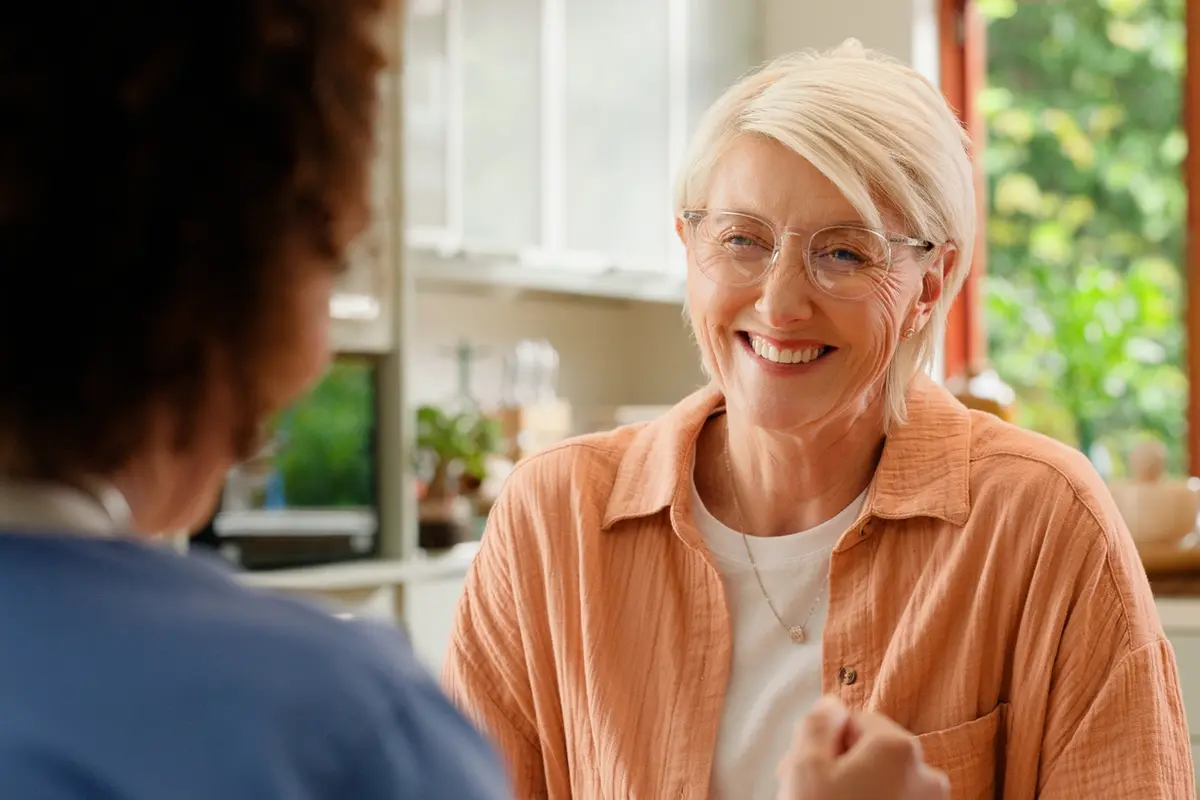
- Non-verbal communication techniques
- Best practices for redirection and reassurance
- How to provide cues and structure throughout the day
Staff-to-resident ratios are typically lower than in traditional senior living, ensuring more personalized attention.
4. Support for Health, Nutrition, and Medications
Cognitive decline often affects nutrition, hydration, and medication routines. In memory care:
- Meals are designed to be both nutritious and easy to enjoy
- Residents are guided and monitored during meals
- Hydration reminders and snacks are provided throughout the day
- Medications are managed and dispensed by licensed professionals
This contributes to better physical health and emotional stability.
5. Engaging Activities That Promote Cognitive Well-Being
Memory care doesn’t just support the body—it nurtures the mind.
Daily programming may include:
- Art and music therapy
- Gardening
- Light movement or walking groups
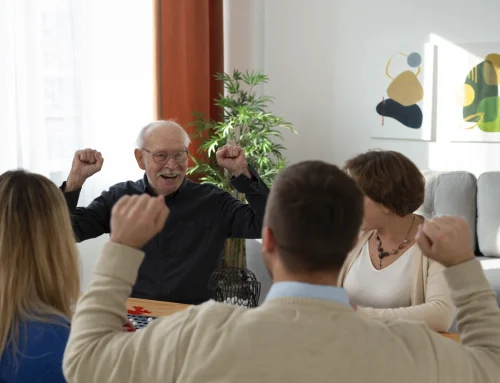
- Storytelling, puzzles, or games
- Pet or sensory therapy
- Intergenerational visits and themed days
These experiences promote cognitive stimulation, reduce isolation, and support moments of joy and connection.
6. Reduced Burden on Family Caregivers
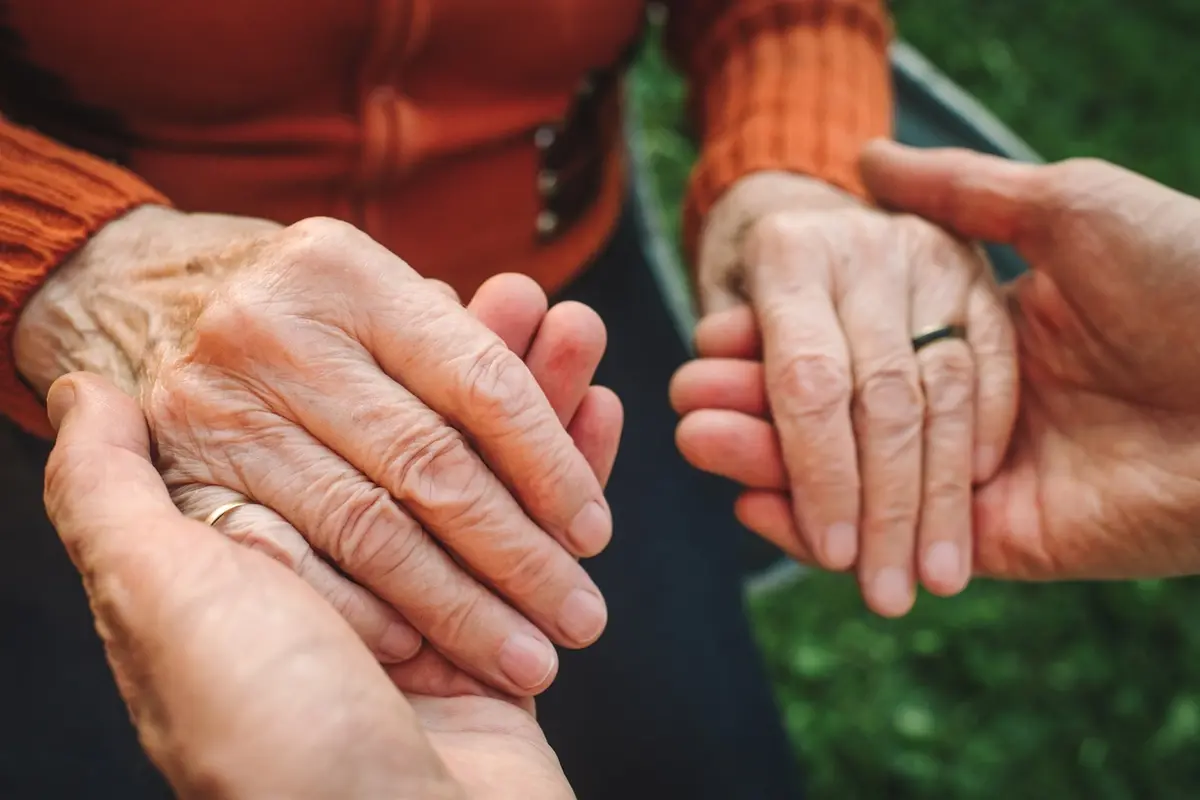
Caring for a loved one with memory loss is deeply emotional and often exhausting. Memory care allows families to return to being sons, daughters, and spouses—not full-time caregivers. Many families report improved relationships and emotional well-being once care responsibilities are shared.
It’s not about letting go—it’s about getting the right support.
Why It Matters for Families in Sparks, NV
Families in Sparks, Nevada, seeking high-quality dementia support, want more than basic supervision. They want an environment that reflects compassion, structure, and dignity—and that’s exactly what Arbors Memory Care provides.
Our community supports:
- Safe, secure living spaces
- A highly trained care team
- Enriching activities rooted in cognitive science
- Person-centered support that honors every resident’s story
How to Choose a Memory Care Community
For families ready to explore memory care, look for:
- Licensed and dementia-certified staff
- Personalized care plans and evaluations
- Specialized safety features
- A structured activity schedule
- Access to therapies like music, art, or pet engagement
- Clear communication with family members
Explore Memory Care in Sparks, NV
At Arbors Memory Care in Sparks, we create a warm, secure environment where every resident is seen as an individual—not defined by their diagnosis. Through highly trained staff, purpose-driven programs, and a commitment to dignity, we help families feel confident about the future.
If you’re wondering whether it’s time for memory care, we invite you to contact us, ask questions, or simply visit.
Frequently Asked Questions
What are the main benefits of memory care?
Safety, personalized care, cognitive activities, health monitoring, and reduced family stress.
When is memory care necessary?
Cognitive decline affects safety and daily functioning or when caregiving becomes overwhelming.
What therapies are used in memory care?
Music, art, movement, cognitive games, pet therapy, and more—depending on the resident’s needs.
How does memory care reduce caregiver stress?
Families can focus on emotional connection and long-term planning by taking over daily care tasks.
Is memory care worth the investment?
For many families, yes. It ensures expert care, safety, and consistent routines tailored for memory loss—something that’s difficult to manage at home.
What is the difference between Assisted Living and Memory Care?
Assisted living is designed for seniors who need help with daily tasks like bathing, dressing, or medication but can still live somewhat independently in a homelike setting. It focuses on support and socialization, not intensive medical or cognitive care. Memory care, on the other hand, is a specialized type of assisted living (or nursing care) for people with Alzheimer’s disease or other dementias, offering 24/7 supervision, secure environments to prevent wandering, and staff trained in dementia-specific behaviors and routines. It’s more structured and typically more expensive due to the higher level of support.