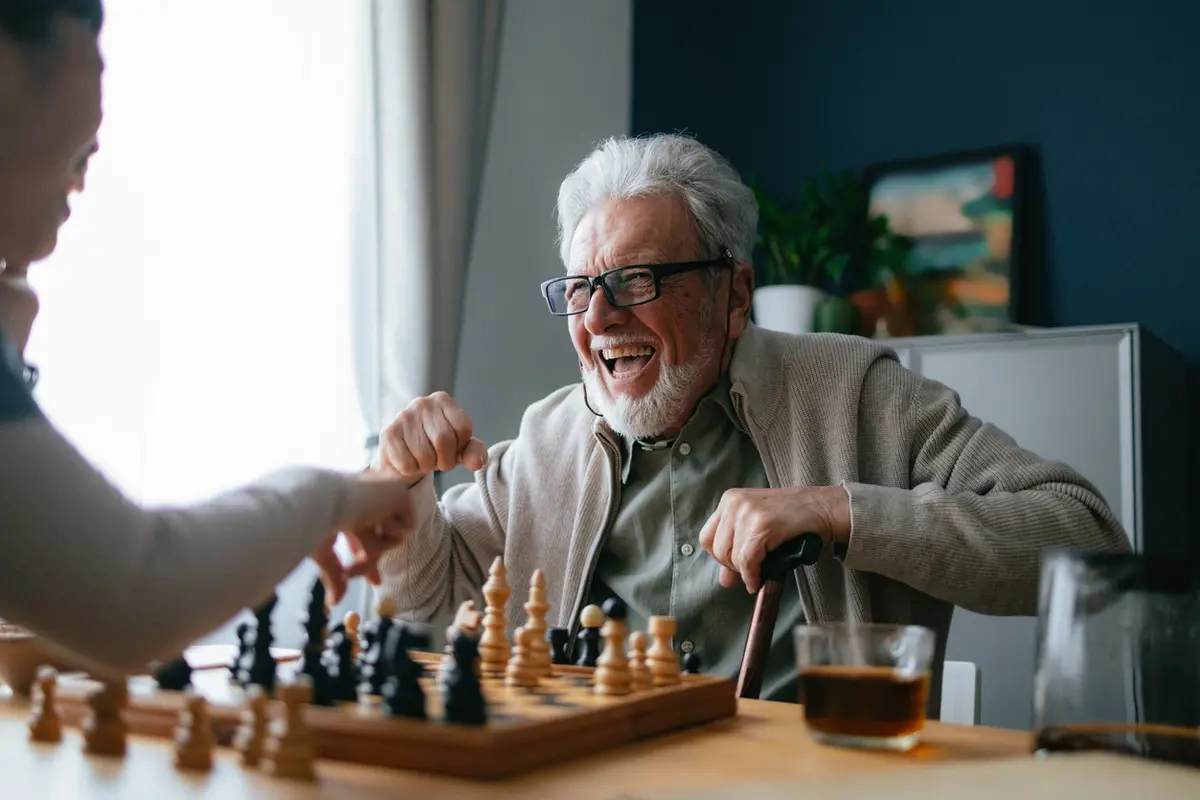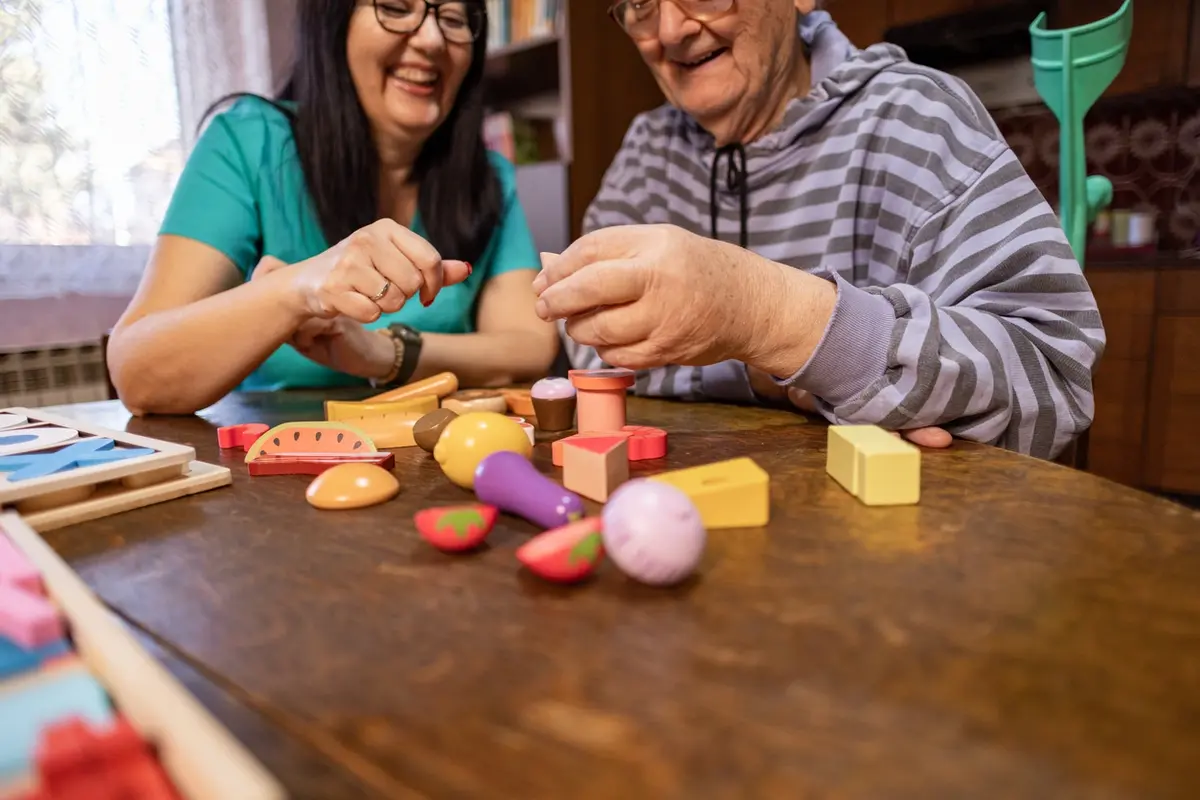
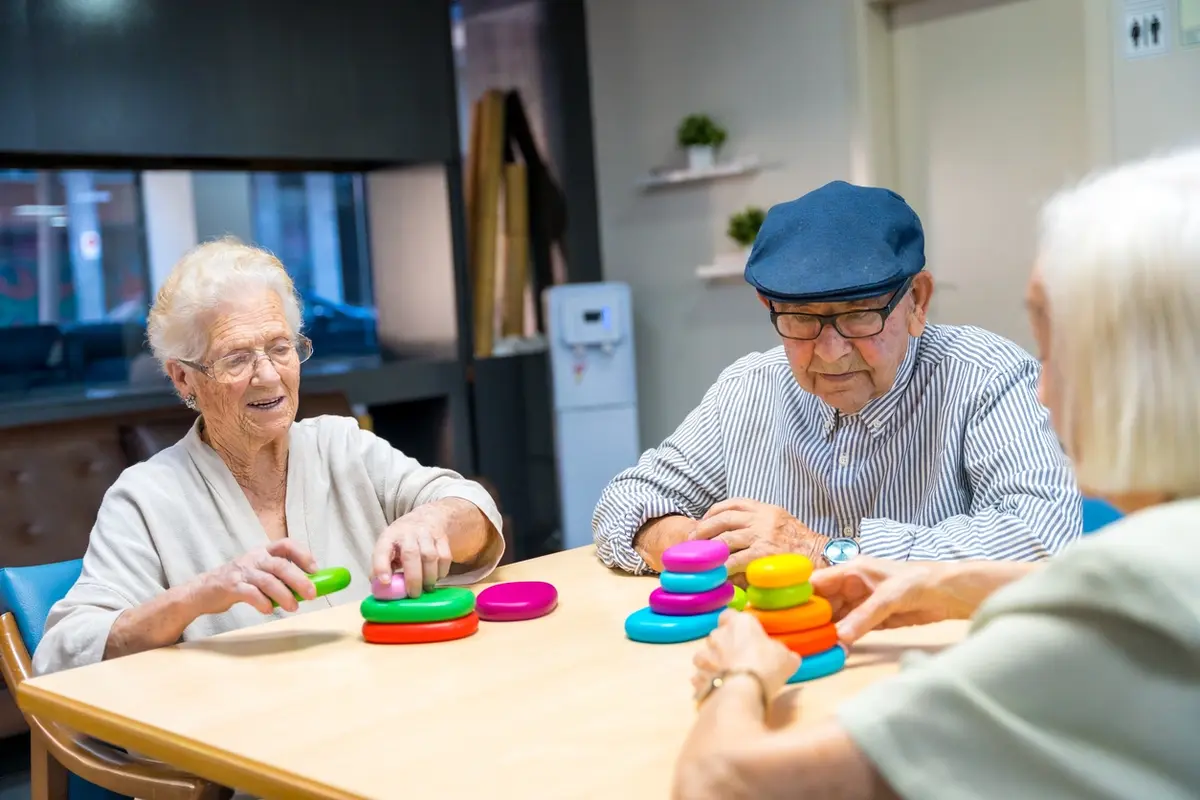
Memory care activities help seniors with dementia engage meaningfully, maintain cognitive skills, and feel joy. These programs deliver therapeutic, personalized support tailored to each stage of the resident’s care journey.
The right activity mix can transform memory care. Targeted activities slow cognitive decline and enhance quality of life for those with Alzheimer’s and dementia.
Research published in The Gerontologist demonstrates that structured memory care programs significantly reduce behavioral and psychological symptoms while improving engagement and quality of life for seniors with dementia.
Why Memory Care Activities Matter
Dementia affects more than memory. It impacts mood, motor skills, social connections, and sense of purpose. Well-designed memory care activities address these challenges through multi-sensory experiences that stimulate different parts of the brain.
Consistent engagement helps your loved one maintain abilities and a sense of self. Activities provide structure, reduce wandering, and create opportunities for meaningful connection.
According to research from the National Institute on Aging, seniors who participate in daily cognitive activities experience slower rates of memory decline and maintain independence longer than those who remain sedentary.
Physical Activities for Memory Care
Movement programs adapted for seniors with dementia maintain mobility, reduce fall risk, and release mood-boosting endorphins. Gentle, familiar exercises are most effective.
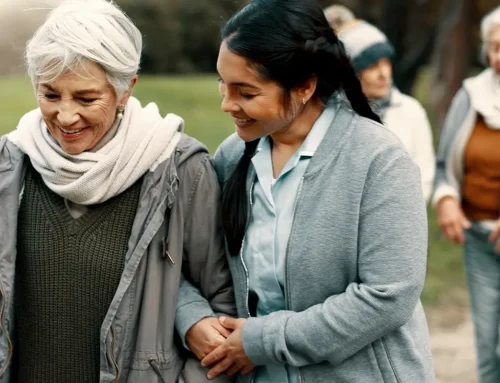
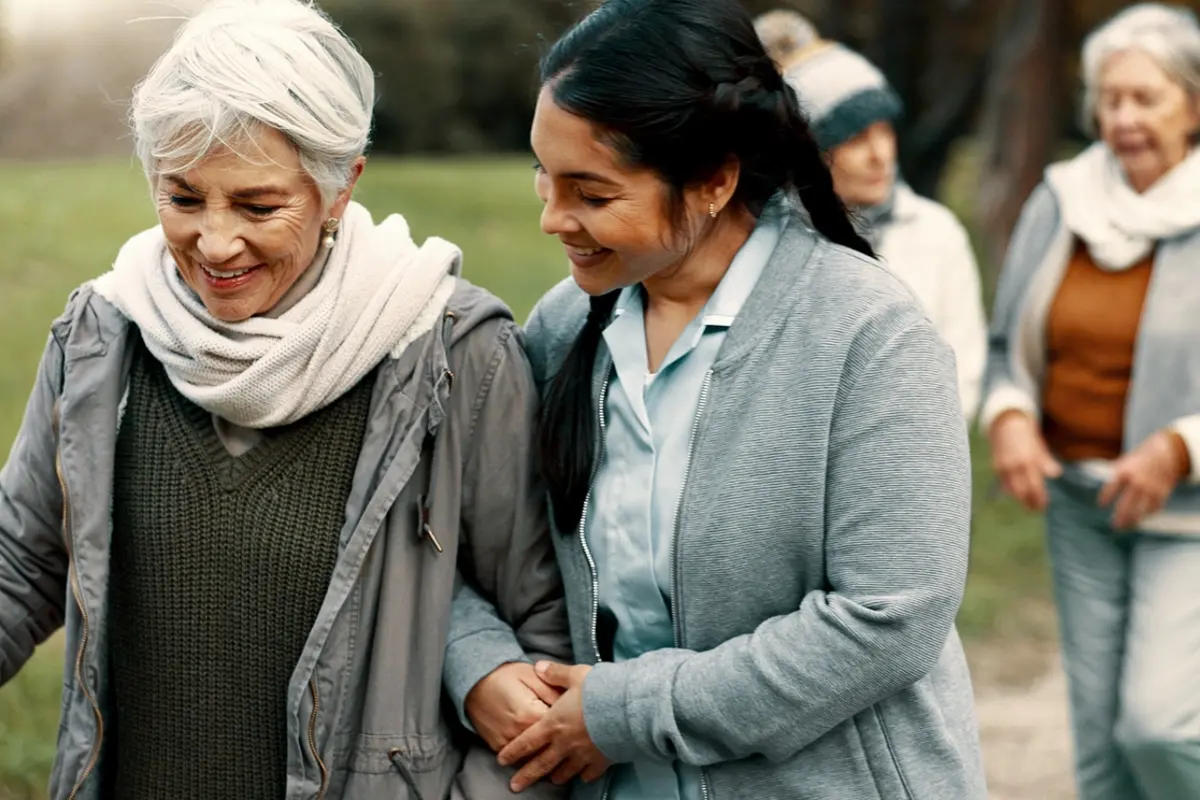
Chair yoga provides stretching and breathing exercises that help reduce muscle stiffness and promote relaxation without requiring standing balance. Guided walks through secure outdoor spaces offer fresh air, gentle cardiovascular activity, and can boost orientation to surroundings. Dance therapy to familiar music from your loved one’s youth combines physical movement with emotional connection, often lifting mood and triggering positive memories.
Balloon toss games improve hand-eye coordination and keep reflexes sharp while providing safe, low-impact fun that encourages participation. Gardening activities, even simple tasks like watering plants or arranging flowers, engage fine motor skills, provide sensory stimulation through touch and smell, and give a sense of purpose and achievement.
Cognitive and Creative Programs
Art therapy enables self-expression without verbal communication, helping residents express emotions in new ways. Painting, coloring, and clay work offer creative outlets that do not rely on memory, providing opportunities for accomplishment and enjoyment. Music taps into long-term memory; familiar songs may prompt positive emotions and engagement, even when other memories fade.
Reminiscence therapy uses photographs, familiar objects, and storytelling to help residents connect with their past, which can strengthen identity, reduce anxiety, and improve mood. This approach validates their experiences and provides opportunities for meaningful conversation. Simple sorting activities, like organizing buttons by color or folding towels, offer a sense of accomplishment through familiar tasks and help preserve organizational and motor skills.
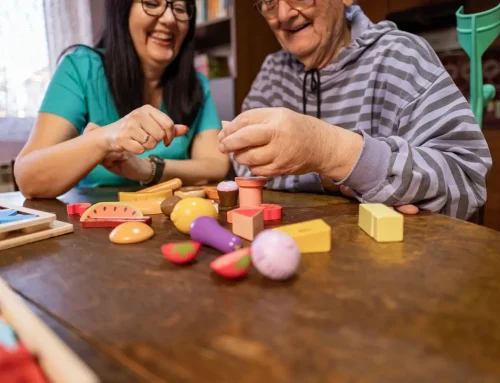
Reading groups with short stories or poetry provide mental stimulation, encourage focus, and promote positive social interaction while accommodating shorter attention spans. Puzzle activities adapted to current ability levels, from simple large-piece jigsaws to sensory boards, keep minds active, build problem-solving confidence, and reduce frustration by matching challenges to current abilities.
Social and Sensory Engagement
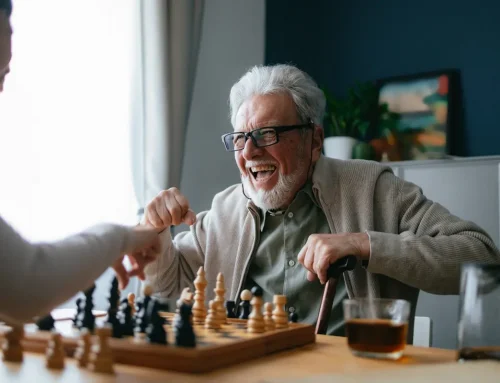
Group activities prevent isolation and foster social connection by promoting engagement, stimulating memory, and encouraging participation. Memory care communities host tea parties, holiday celebrations, and sing-alongs to build community and belonging, benefiting residents emotionally and cognitively.
Pet therapy brings comfort and joy through trained animals, reducing agitation, alleviating anxiety, and providing calming sensory input through petting. Aromatherapy with scents like lavender or baking bread can trigger positive memories, lower stress, and create a soothing atmosphere.
Sensory bins with textured items, fabric samples, or themed objects provide tactile stimulation, promoting focus and soothing restless hands. Cooking activities engage multiple senses, offer opportunities for social connection, and evoke positive memories of food and family gatherings.
How Communities Personalize Activities
Quality memory care programs tailor activities to individual interests, abilities, and past experiences. Staff create care plans reflecting career, hobbies, and preferences. A former teacher might enjoy reading to others, while someone who enjoyed manual work might prefer woodworking or model building.
Activities adapt as needs change. Staff members modify programs to maintain engagement even as cognitive abilities shift. This might mean moving from complex crafts to simpler sorting tasks or adjusting group size based on social comfort levels.
The timing of activities matters too. Some residents function best in the morning, while others peak later in the day. Flexible programming accommodates these natural rhythms rather than forcing participation at arbitrary times.
Activity Type Comparison
| Activity Category | Primary Benefits | Example Activities |
| Physical | Mobility, strength, mood | Chair yoga, walks, dance |
| Cognitive | Mental stimulation, memory | Puzzles, reading, sorting |
| Social | Connection, reduced isolation | Group games, sing-alongs |
| Sensory | Calming, engagement | Pet therapy, aromatherapy |
Things to Know About Memory Care Activities
Success is different for each person. Your loved one may fully engage one day and resist the next. This is normal. The goal is not forced compliance but providing connection and joy when they are receptive.
Small moments matter most. A five-minute conversation about a family photo can mean more than a long, structured activity. Quality communities recognize and maximize these opportunities.
Ask about activity calendars when touring. Look for variety, personalization, and staff enthusiasm. The best communities see activities as central to care, not extras.
Consider your loved one’s interests and abilities when evaluating programs. Someone who disliked large groups before will not thrive in them now. Look for communities offering one-on-one and group engagement options.
At Arbors Memory Care in Sparks, NV, our activity programs combine evidence-based approaches with personalized attention. Schedule a tour to see our residents engaged in meaningful activities that honor their individuality.
Frequently Asked Questions
What are good memory activities?
Good memory activities include reminiscence therapy with photo albums, music from their youth, simple puzzles, sorting tasks, gentle exercise, and sensory experiences like aromatherapy or pet therapy.
What is the 20 questions game for dementia patients?
The 20 questions game for dementia patients uses simple yes/no questions about familiar objects or people from their past. Keep questions concrete and connected to long-term memories rather than recent events.
What are the group games for memory care?
Group games include balloon toss, bingo with picture cards, sing-alongs, chair exercises, trivia about historical events, and simple ball games that encourage gentle movement and social interaction.
What are 5 effective memory strategies?
Five effective memory strategies include establishing routines, using visual cues like labels and photographs, engaging in regular physical activity, practicing reminiscence therapy, and maintaining social connections through group activities.
What are cognitive activities for memory care?
Cognitive activities include reading short stories, completing adapted puzzles, sorting objects by category, playing word games, engaging in art projects, and participating in music therapy sessions.