Brain Exercises for Seniors: What Actually Works (and Why It Matters)
Brain exercises for seniors are targeted mental activities, such as puzzles, memory recall games, and mastering new skills, that help slow cognitive decline and preserve long-term brain health. Research indicates that regular cognitive stimulation can lower dementia risk and enhance daily function for adults 60 and older.
If you have a parent living in Sparks, NV, or are planning ahead for your own aging, this is one area where small habits create real results. You do not need expensive equipment or a specialized program. You just need the right activities done consistently.
Things to Know Before You Start
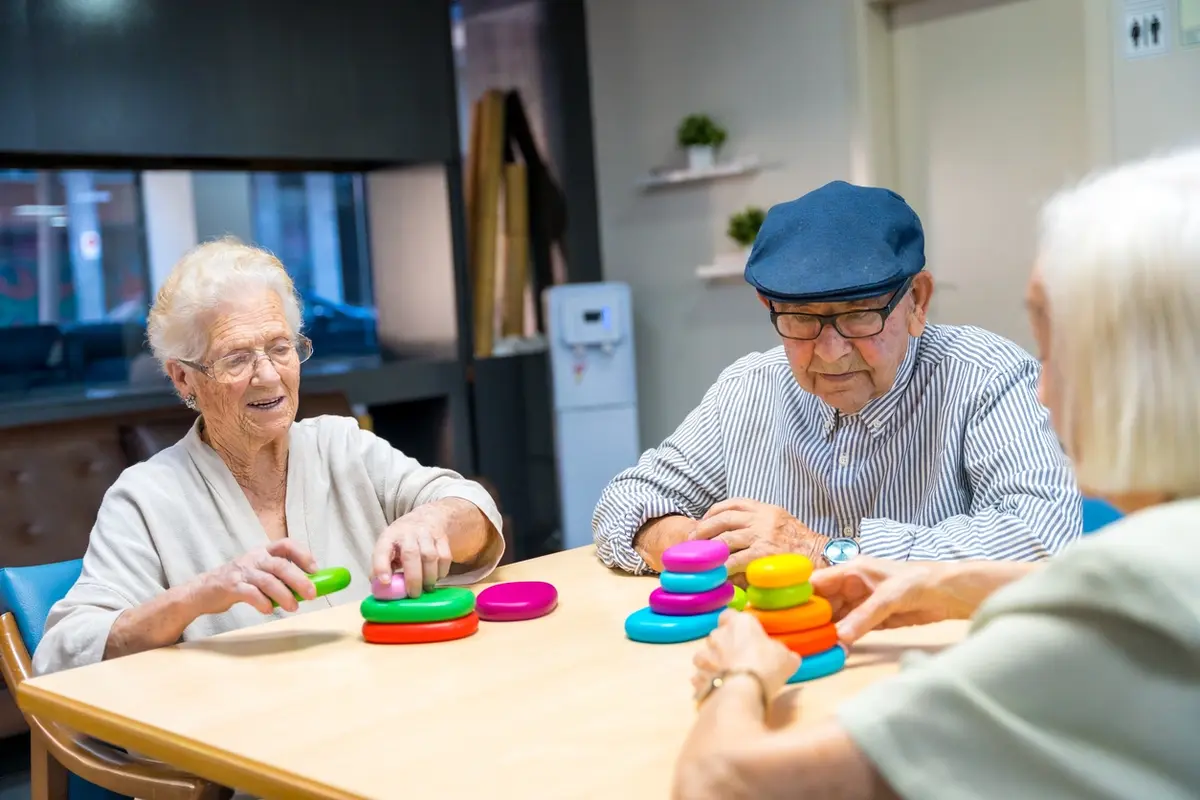
Not all mental activities are equal. Passive tasks like watching television offer scant cognitive benefit. Active engagement, where your brain must respond, remember, and adapt, strengthens and protects cognitive function. Begin with 20-30 minutes daily, gradually increasing. Rotate activities to stimulate multiple brain areas.
Why Brain Exercises Matter for Older Adults
According to the Alzheimer’s Association, over 7 million Americans are currently living with Alzheimer’s disease, and that number is projected to reach nearly 13 million by 2050. That context matters.
The brain adapts to use. Neurons that are consistently activated form stronger connections, while those neglected fade. Brain exercises for seniors sustain these neural pathways, slowing decline and sometimes boosting functions like memory and attention.
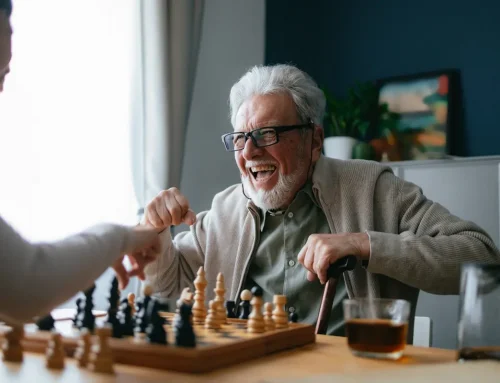
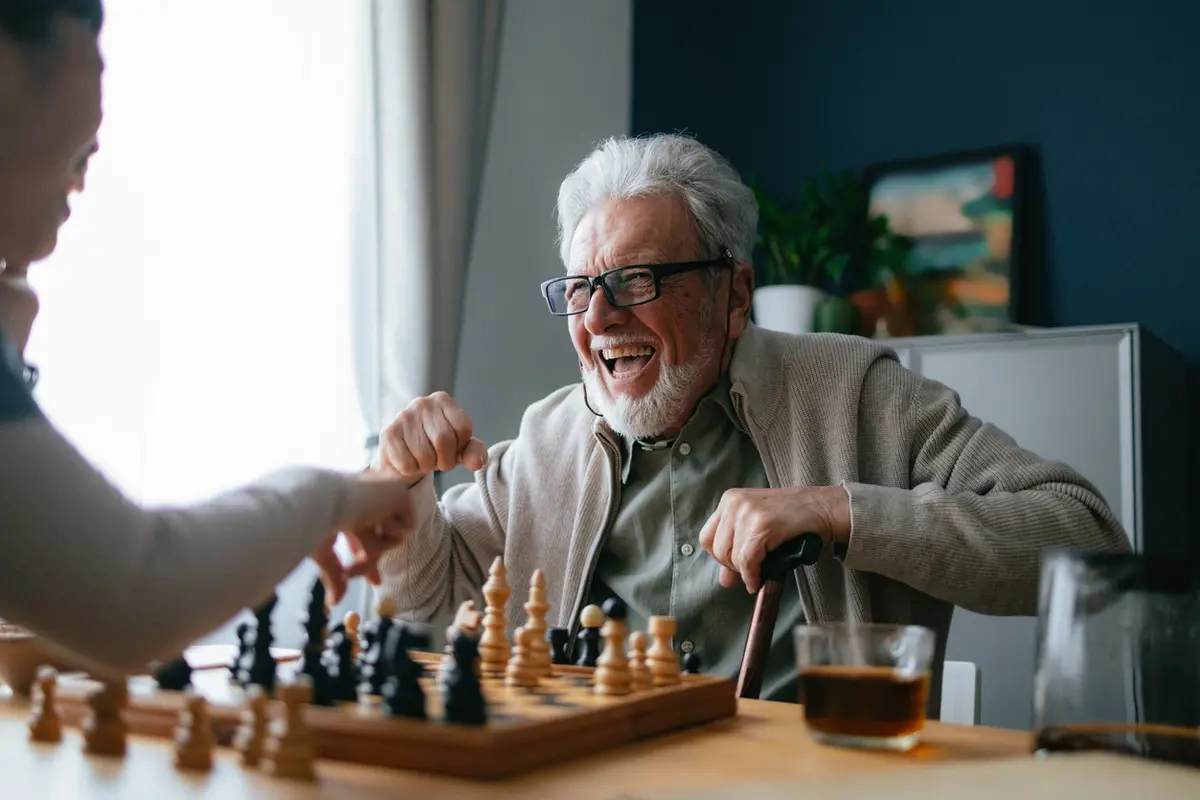
A 2020 longitudinal study published in The Journals of Gerontology tracked 1,091 adults from age 11 to 79 and found that those who regularly played analog games, such as cards, chess, bingo, and crosswords, showed significantly less cognitive decline in memory and processing speed than those who did not (Altschul and Deary, 2020). The takeaway is clear: start now, stay consistent.
If your loved one is also showing early memory changes, reading about the early signs of memory loss in older adults can help you understand what to watch for.
How Brain Exercises Work
Mental stimulation triggers neuroplasticity, which is the brain’s ability to reorganize and form new connections. Physical activity also plays a role. Exercise promotes blood flow and triggers the release of BDNF (brain-derived neurotrophic factor), a protein that supports memory formation and learning.
The best results come from combining mental and physical activity. A 20-minute walk followed by 20 minutes of a word game is more effective than either alone. Memory care programs in Sparks, NV, communities like Arbors Memory Care use exactly this combination in structured daily routines.
Which Brain Exercises Work Best
Here is a practical breakdown of the most effective options, organized by type:
| Exercise Type | Examples | Best For |
| Memory Recall | Grocery list recall, name recall games, sequence repetition | Short-term memory, daily function |
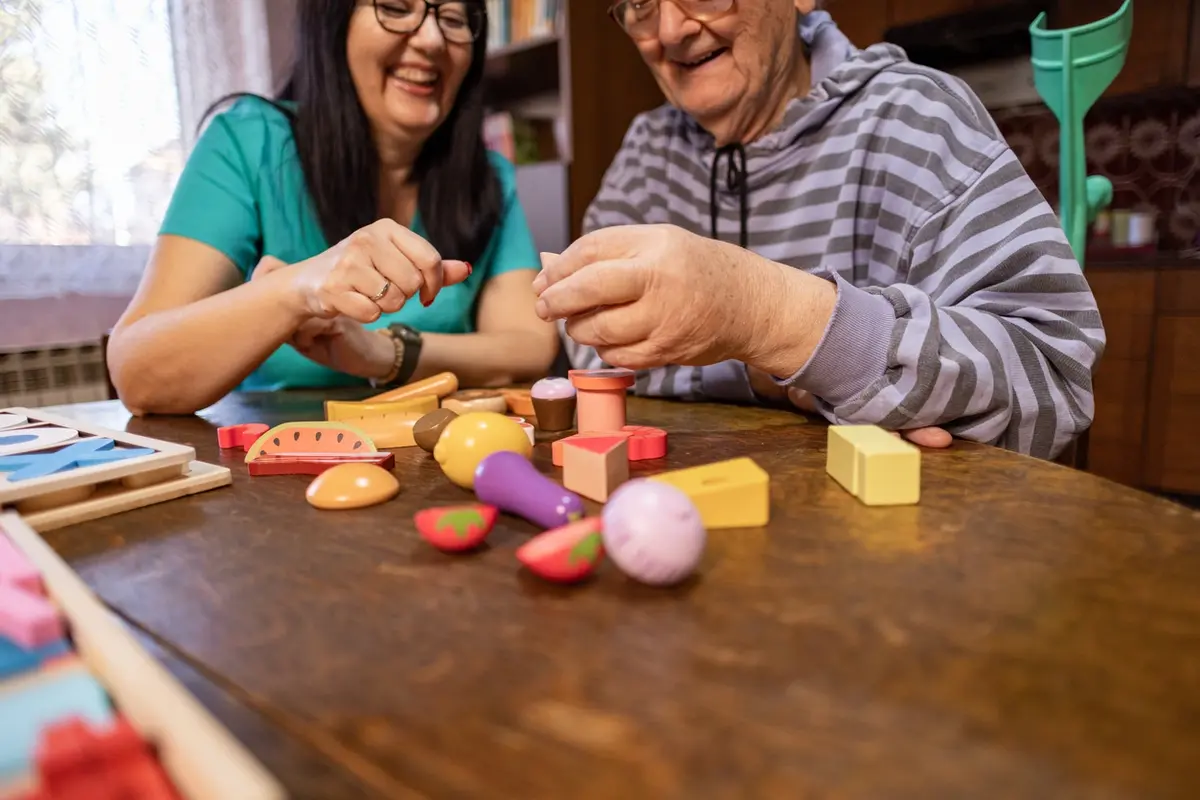
| Problem Solving | Jigsaw puzzles, crosswords, Sudoku, card games | Reasoning, visual-spatial skills |
| Learning New Skills | New language, music instrument, painting, new route navigation | Neuroplasticity, long-term retention |
| Social Interaction | Group games, storytelling, discussion groups, Bingo | Mood, language, attention |
| Physical Activity | Dancing, tai chi, walking groups, chair yoga | Blood flow, BDNF, overall cognition |
Daily Habits That Protect the Aging Brain
Exercises work better when combined with supportive daily habits. Here are the ones with the strongest evidence:
- Quality sleep (7 to 9 hours): This is when the brain consolidates memories. Poor sleep accelerates cognitive decline faster than almost any other lifestyle factor.
- A brain-supportive diet: Blueberries, fatty fish (salmon, sardines), and leafy greens like spinach are three of the most researched foods for brain health. They reduce inflammation and support neuron function.
- Social connection: Isolation accelerates decline. Regular conversations and group activities count as brain training.
- Stress management: Chronic stress raises cortisol, which damages the hippocampus, the part of the brain responsible for memory. Even 10 minutes of daily meditation helps.
- Limiting alcohol: Heavy alcohol use accelerates brain shrinkage, especially in areas tied to memory and planning.
- Staying mentally challenged: Try a new route to the store, learn five new words a week, or write down three things you remember from the day before bed.
- Regular physical checkups: Untreated conditions like high blood pressure, diabetes, and hearing loss all increase dementia risk. Managing them is brain protection.
For families in Sparks, NV, the mental health awareness resources for seniors at Arbors offer more context on how emotional and cognitive health connect.
When Brain Exercises Are Not Enough
Brain exercises for seniors are protective and beneficial. But they are not a treatment for moderate to advanced dementia. When cognitive decline starts affecting daily safety, hygiene, or behavior, a higher level of support becomes necessary.
Memory care communities like Arbors Memory Care in Sparks, NV, offer structured programming designed to promote cognitive stimulation, physical activity, and social engagement. Their team uses these same brain-based activities in personalized care plans for residents with Alzheimer’s and dementia.
If you are seeing signs that go beyond normal aging, the article on the benefits of memory care explains what dedicated memory care provides and why it matters. You can also learn about Arbors Memory Care services in Sparks, NV directly.
Arbors Memory Care in Sparks, NV, is a community built specifically for individuals living with dementia and Alzheimer’s. If you are looking for structured, compassionate memory care near you, contact the Arbors team today to schedule a visit.
Frequently Asked Questions
What are the best brain activities for seniors?
Short answer: Puzzles, card games, memory recall exercises, learning new skills, and social interaction are the most effective brain activities for seniors. Each targets a different cognitive function. Vary them weekly to get the broadest benefit.
What are the powerful habits that keep aging brains sharp?
Quality sleep, a diet rich in blueberries, fatty fish, and leafy greens, daily physical activity, stress management, and regular social connection are the habits most supported by research. Combining several of these habits together produces a greater effect than doing any one in isolation.
How to boost memory after 60?
Regular memory recall exercises (like reciting a grocery list from memory), learning something new each week, and 150 minutes of moderate physical activity per week have all been shown to boost memory in adults over 60. Starting any new cognitive activity, even a simple daily vocabulary game, creates measurable improvements within 4 to 8 weeks.
What is the number one exercise for seniors?
Short answer: Walking is consistently ranked as the most accessible and effective exercise for seniors. It improves blood flow to the brain, supports mood, and reduces fall risk. 30 minutes of brisk walking five days per week meets the CDC guideline for adults and supports brain health directly through increased BDNF.
What are the three superfoods for your brain?
Blueberries (antioxidants that reduce oxidative stress), fatty fish like salmon (omega-3s that support neuron structure), and leafy greens like spinach (folate and vitamin K that protect against cognitive decline). Adding even one of these to your daily diet provides measurable benefit over time.
What are the 7 habits to avoid dementia?
Regular exercise, quality sleep, a brain-healthy diet, social engagement, stress management, limiting alcohol, and managing chronic conditions like blood pressure and diabetes are the seven habits most strongly linked to lower dementia risk. These align with the Lancet Commission’s modifiable risk factor research, which found that up to 40% of dementia cases could be delayed or prevented through lifestyle changes.